
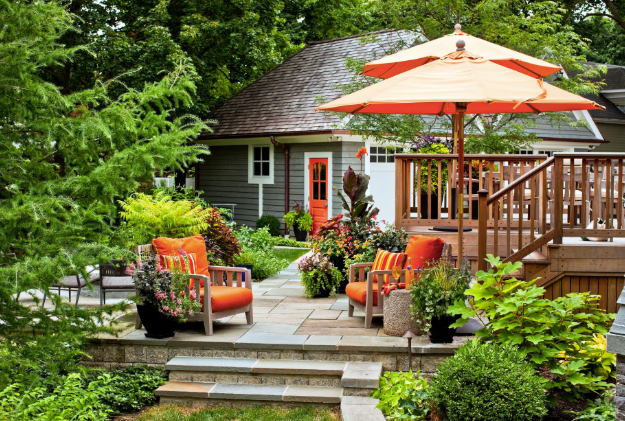
Backyard Landscaping Tips for Beginners
Backyard landscaping for beginners begins with clear assessment and disciplined planning. The approach emphasizes site evaluation, soil testing, and sun exposure to shape a functional layout. Materials and plants are chosen for climate compatibility and durability, prioritizing low maintenance. A defined budget, documented decisions, and scheduled upkeep underpin progress. The methodical process avoids premature plantings and tracks expenses and replacements. Those criteria set a practical foundation, inviting careful consideration of next steps to achieve reliable, scalable results.
Backyard Landscaping Basics for Beginners
Backyard landscaping basics for beginners emphasize planning and fundamentals. The analysis of initial site conditions informs cost discipline and material selection, preventing unnecessary expenditures. Attention to soil testing identifies nutrient needs and drainage considerations, guiding amendment strategies. Avoiding premature plant choices reduces later disruption. Documentation of budgeting mistakes clarifies financial boundaries, while systematic evaluation supports scalable growth within personal freedom and landscape integrity.
Planning Your Backyard Layout
The planning phase builds on established basics by translating site observations into a concrete layout framework. Systematic analysis defines functional zones, circulation, and focal points, while landscape zoning delineates distinct use areas for efficient maintenance and erosion control. Sun exposure planning informs shadow patterns, microclimates, and material placement, ensuring durable paths, seating, and quiet retreat opportunities without overcomplication.
Choosing Plants and Materials
Selecting appropriate plant species and construction materials is foundational to performance, aesthetics, and long-term maintenance. The process emphasizes objective plant selection and material compatibility, considering climate, soil, and site microconditions. Decisions rely on measurable criteria, including growth habits, root behavior, and durability. Mulching materials and plant selection converge to optimize moisture retention, weed suppression, and soil structure while preserving design intent and freedom in expression.
Maintenance Tips and Budgeting
Maintenance planning and budget considerations are essential to sustain landscape functionality and aesthetics over time. In this detached analysis, budgeting properly aligns expenditures with anticipated maintenance routines, seasonal demands, and plant performance. Regular inspections identify issues early, enabling cost-effective interventions. Establish maintenance schedules, allocate reserves for replacements, and document tasks. Transparent budgeting supports freedom of choice while preserving long-term vitality and outdoor usability.
Frequently Asked Questions
How Do I Choose Drought-Tolerant Plants for My Region?
The approach evaluates regional rainfall patterns, guiding selection of drought-tolerant species; it assesses soil moisture regimes and soil amendments for drought tolerance, enabling informed choices while preserving freedom in landscape design.
What’s the Best Way to Start a Small Compost Pile?
A quiet wind hints at decomposition, and the best way to start a small compost pile is to layer greens and browns, monitor moisture, and aerate periodically; compost pile ideas emerge via start small strategies, measured, methodical, disciplined.
How Can I Deter Pests Without Harming Beneficial Insects?
Deterrent strategies include physical barriers, selective timing, and non-toxic repellents to minimize pest activity while maintaining beneficial insect protection; the approach emphasizes targeted, low-impact methods, monitoring, and rapid adjustment to preserve ecosystem balance and gardener autonomy.
Which DIY Edging Options Are Both Budget-Friendly and Durable?
Edging materials vary; a cost benefit analysis shows steel edging, recycled plastic, and concrete battens offer durability with moderate expense. The analysis highlights ease of installation, long lifespans, and minimal maintenance, appealing to readers seeking practical, freedom-oriented landscaping solutions.
See also: The Role of Technology in Customer Relationship Management
How Do I Create a Shade-Tolerant Garden Space?
Shade tolerant garden space is achieved by selecting shade-loving perennials, ferns, and hostas; use canopy-friendly plant selection, monitor regional drought considerations, and implement soil amendments, light filtration, and moisture management to sustain thriving, low-water shaded landscapes.
Conclusion
In summation, a structured approach to backyard landscaping yields durable, scalable results. By documenting site assessments, soil tests, sun exposure, and maintenance schedules, beginners can translate planning into reliable progress. Selection of climate-appropriate materials and low-maintenance plant ensembles minimizes ongoing effort while maximizing long-term resilience. As the adage states, “measure twice, cut once,” which aptly applies: deliberate budgeting, meticulous recording, and phased implementation prevent costly rework and support sustainable landscape advancement.