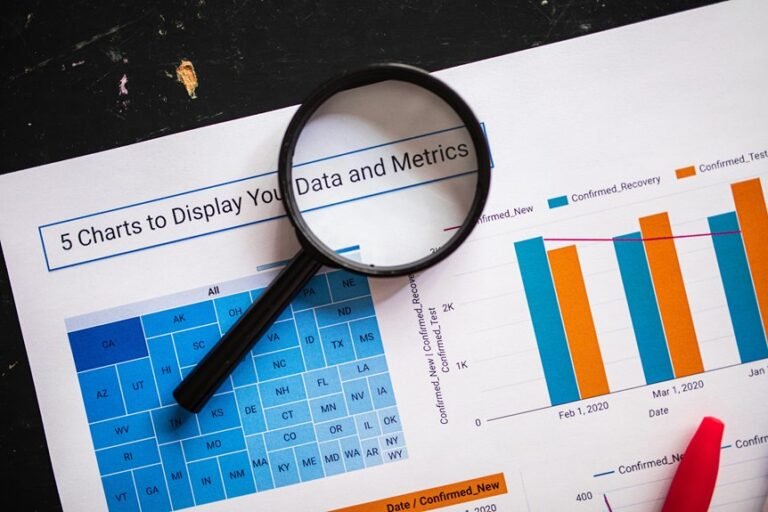

High-Volume Data Flow & Coordination Evaluation: 7059952829, 621624549, 603236872, 615997903, 8442871883, 4846017041
High-volume data flow presents both opportunities and challenges for organizations managing extensive datasets. The specified data points—7059952829, 621624549, 603236872, 615997903, 8442871883, and 4846017041—serve as critical indicators that warrant thorough examination. Effective coordination strategies can unlock insights hidden within these numbers. However, the question remains: how can organizations implement these strategies to enhance their overall data management processes?
Understanding High-Volume Data Flow
High-volume data flow represents a critical component in the architecture of modern information systems.
Effective data integration facilitates the seamless movement of large datasets, enabling efficient data visualization. This process allows organizations to derive actionable insights from complex information landscapes.
Analyzing Key Data Points
Data analysis is pivotal in extracting meaningful insights from extensive datasets.
By identifying data patterns and recognizing data anomalies, analysts can uncover significant trends and irregularities. This process enhances decision-making capabilities, enabling organizations to adapt swiftly to changing environments.
Ultimately, the meticulous examination of key data points fosters a deeper understanding of the underlying dynamics within high-volume data flows, promoting informed action.
Strategies for Optimizing Coordination
Effective coordination among teams is essential for optimizing the processing of large-scale datasets.
Implementing robust data synchronization techniques and advanced communication frameworks enhances information flow.
Workflow automation streamlines tasks, while performance metrics facilitate continuous improvement.
Real-time tracking ensures timely updates, and collaboration tools foster an environment of shared knowledge.
These strategies collectively contribute to a more efficient and agile data processing ecosystem.
Enhancing Decision-Making Through Data Insights
Harnessing the power of data insights significantly enhances decision-making processes across organizations.
By leveraging data visualization techniques, stakeholders can interpret complex information efficiently.
Predictive analytics further empowers organizations to anticipate trends and make informed choices.
These tools foster a culture of evidence-based decision-making, allowing entities to respond swiftly to market dynamics, thereby promoting operational excellence and strategic agility in an increasingly competitive landscape.
Conclusion
In conclusion, the intricate web of high-volume data flow and the pivotal data points discussed hold the potential to unlock transformative insights. However, the true challenge lies in the effective orchestration of these elements. As organizations strive to enhance their coordination strategies, the looming question remains: will they harness the full power of their data, or will critical opportunities slip through the cracks? The future of decision-making hinges on their ability to decipher these patterns before time runs out.